
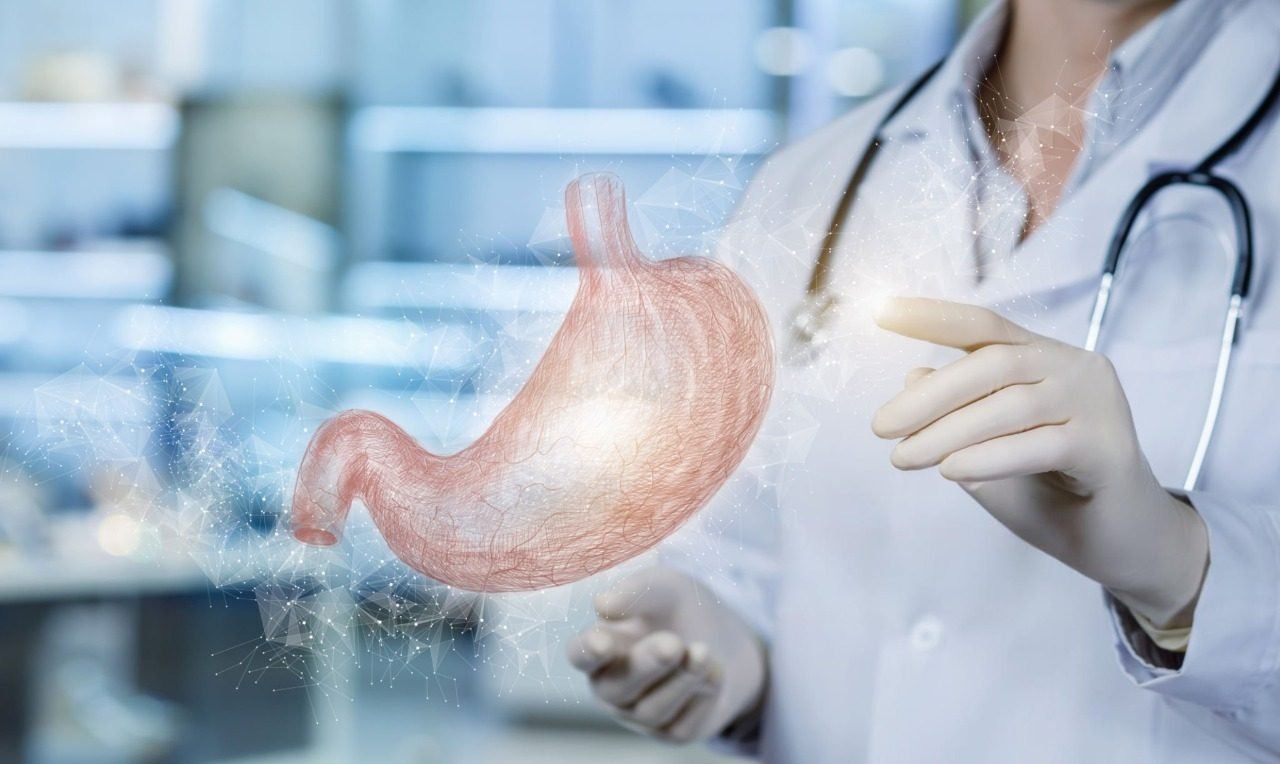
What is a Mini Gastric Bypass Surgery?
Mini Gastric Bypass (MGB), technically known as One Anastomosis Gastric Bypass (OAGB), is a powerful, well-established metabolic procedure that combines gastric restriction with malabsorption.
Unlike traditional Roux-en-Y gastric bypass (which involves two intestinal connections), MGB requires only one single anastomosis. The surgeon creates a long, narrow tubular gastric pouch along the lesser curvature of the stomach. A loop of the small intestine (approximately 150 to 200 cm downstream) is then connected directly to this long stomach tube. This simplified construction shortens operative duration while providing metabolic and weight-loss outcomes comparable to traditional bypass.
Who May Benefit from Mini Gastric Bypass Surgery?
Mini Gastric Bypass is an excellent option for:
- Patients with High BMI (> 40 kg/m²): Requiring strong malabsorptive capacity for weight loss.
- Patients with Uncontrolled Type 2 Diabetes: Seeking rapid metabolic improvement.
- Patients Desiring a Shorter Surgical Duration: MGB involves fewer intestinal joins, reducing time under anesthesia.
- Patients Needing an Easily Reversible Bypass: Because only one connection is created, MGB is simpler to modify or reverse if needed.
Common Signs & Health Conditions That May Require Mini Gastric Bypass Surgery Consultation
Metabolic Conditions
- Severe Uncontrolled Type 2 Diabetes
- Dyslipidemia / High Cholesterol
- Metabolic Syndrome
- Hypertension & Sleep Apnea
Lifestyle & Surgical Factors
- High BMI with Difficult Weight Maintenance
- Preference for Single Intestinal Join
- History of Failed Diets & Exercise
- Patient Seeking Reversible Option
Our Mini Gastric Bypass Surgery Procedures Include
- Laparoscopic Mini Gastric Bypass: Performed using keyhole instrumentation.
- Robotic Mini Gastric Bypass: Precise robotic creation of the single gastro-jejunal loop anastomosis.
- Revisional MGB: Converting previous failed sleeve procedures into an effective MGB/OAGB.
Benefits of Mini Gastric Bypass Surgery
- High Excess Weight Loss: Patients typically lose 70% to 85% of excess body weight.
- Simplified Surgical Technique: Fewer bowel joins lower the statistical risk of internal hernia.
- Shorter Procedure Time: Generally completed in under 60 minutes.
- Reversible & Convertible: Simpler anatomy makes reversal or modification straightforward.
- Excellent Diabetes Remission: Rapid improvement in glycemic control.
Meet Dr. Apurva Vyas – Robotic Bariatric & Metabolic Surgeon
Dr. Apurva Vyas has performed hundreds of MGB/OAGB procedures at Ansh Obecure, tailoring intestinal loop lengths (150cm vs 180cm vs 200cm) based on patient height, baseline BMI, and nutritional profiles.
Serving as the lead surgeon at Ansh Obecure, Ahmedabad, Dr. Vyas brings over 25 years of clinical experience and a track record of 18,000+ of successful metabolic and bariatric procedures.
- Advanced Surgical Expertise: Specialized training and fellowships in advanced laparoscopic and robotic bariatric techniques.
- Patient-Centric Approach: Focused on precise diagnostic evaluations, personalized surgical selection, and empathetic lifetime post-operative care.
- Innovator in Robotic Precision: Leveraging Da Vinci robotic surgical systems to deliver superior visualization, sub-millimeter tissue handling, and minimal patient recovery times.
- Multidisciplinary Leadership: Directs an expert team of bariatric dietitians, bariatric counselors, clinical cardiologists, and intensive care specialists at Ansh Obecure.
Mini Gastric Bypass Surgery Preparation & Evaluation
- Upper GI Endoscopy: To evaluate stomach anatomy and verify absence of severe pre-existing bile reflux.
- Comprehensive Blood Profile: Assessment of baseline micronutrient levels (iron, B12, vitamin D).
- Pre-Op Bariatric Counseling: Guidance on post-op protein intake and supplement routine.
Mini Gastric Bypass Surgery Recovery & Aftercare
- Hospital Stay: 24 to 48 hours.
- Dietary Phase: Sequential liquid-to-solid food progression.
- Nutritional Monitoring: Regular blood testing to monitor micronutrients, iron, and albumin levels.