What is Intragastric Balloon Surgery?
Intragastric Balloon therapy is a non-surgical, non-incisional, temporary weight-loss procedure designed for individuals seeking moderate weight reduction.
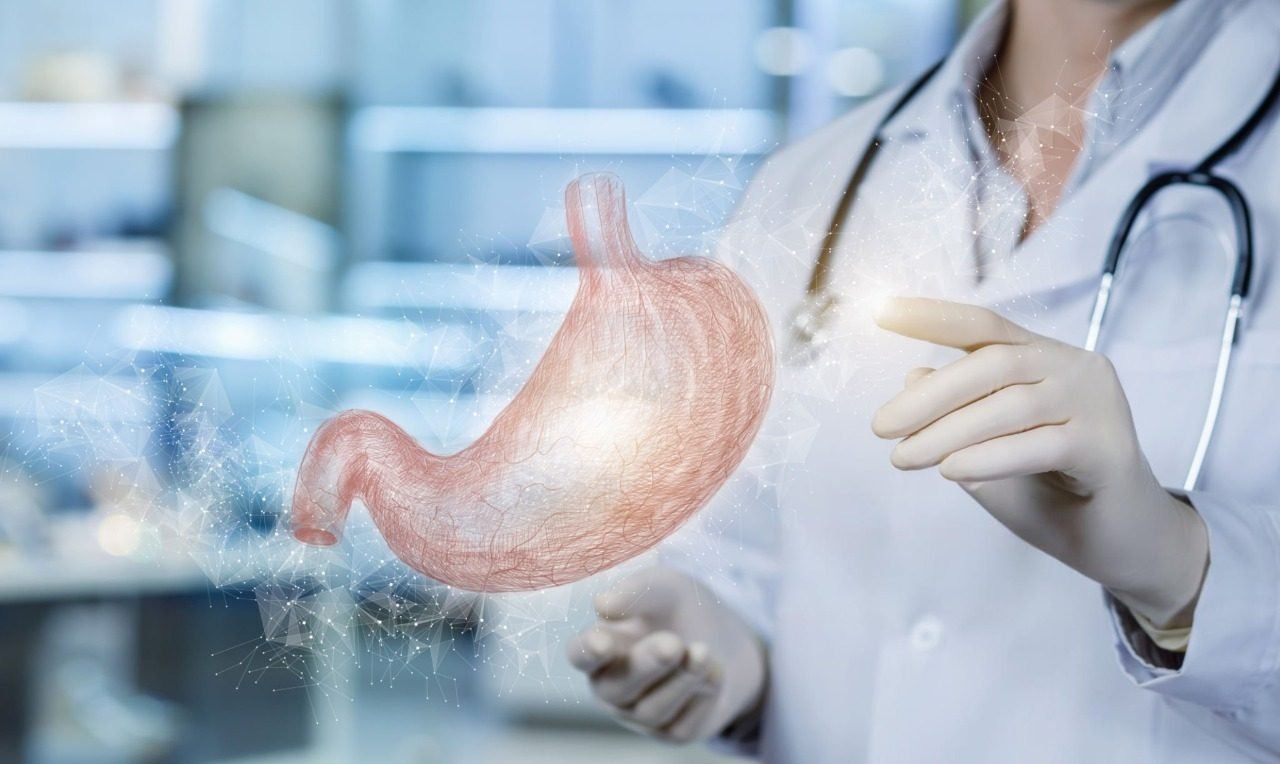
During the procedure, a soft, durable, medical-grade silicone balloon is placed into the stomach endoscopically through the mouth while the patient is under light sedation. Once correctly positioned inside the gastric cavity, the balloon is inflated with sterile saline solution (or air) to a volume of approximately 500 mL to 700 mL. The balloon floats freely in the stomach, occupying space and leaving less room for food. This induces early satiety and delays gastric emptying, helping patients practice portion control. The balloon remains in place for 6 to 12 months before being safely removed endoscopically.
Who May Benefit from Intragastric Balloon Surgery?
Intragastric Balloon placement is suitable for:
- Overweight to Mildly Obese Individuals (BMI 27 to 35 kg/m²): Patients who do not meet clinical criteria for permanent bariatric surgery.
- Patients Seeking a Non-Surgical Solution: Individuals reluctant to undergo permanent anatomical modification.
- High-Risk Surgical Candidates: Used as a bridge therapy to achieve initial weight reduction prior to major elective operations (e.g., organ transplant, joint replacement).
Common Signs & Health Conditions That May Require Intragastric Balloon Surgery Consultation
Candidate Criteria
- BMI 27.5 to 35 kg/m²
- Early Insulin Resistance / PCOS
- Mild to Moderate Fatty Liver
Health Goals
- Need for 10 kg to 25 kg Weight Loss
- Super-Obese Needing Bridge Weight Reduction
- Lifestyle Reset & Portion Control Training
Our Intragastric Balloon Surgery Procedures Include
At Ansh Obecure, we offer multiple balloon systems:
- Fluid-Filled Endoscopic Balloons (Orbera / Spatz3): Placed and adjusted endoscopically; left in place for 6–12 months.
- Gas-Filled Intragastric Balloons: Air-filled balloon options designed for lighter weight profiles.
- Swallowable Pill Balloons (Elipse / Allurion): Require no endoscopy or anesthesia for placement or removal.
Benefits of Intragastric Balloon Surgery
- Non-Surgical & Non-Incisional: Zero cuts, no scars, and no permanent changes to organ anatomy.
- Quick Outpatient Procedure: Done in 20 minutes under light sedation; patients go home the same day.
- Effective Moderate Weight Loss: Patients typically lose 12% to 18% of total body weight over 6 months.
- Behavioral Training Tool: Retrains appetite and portion control, providing a foundation for long-term habits.
Meet Dr. Apurva Vyas – Robotic Bariatric & Metabolic Surgeon
Dr. Apurva Vyas conducts full endoscopic evaluations prior to balloon placement to rule out hiatus hernia, severe gastritis, or ulcers, ensuring safety and patient comfort.
Serving as the lead surgeon at Ansh Obecure, Ahmedabad, Dr. Vyas brings over 25 years of clinical experience and a track record of 18,000+ of successful metabolic and bariatric procedures.
- Advanced Surgical Expertise: Specialized training and fellowships in advanced laparoscopic and robotic bariatric techniques.
- Patient-Centric Approach: Focused on precise diagnostic evaluations, personalized surgical selection, and empathetic lifetime post-operative care.
- Innovator in Robotic Precision: Leveraging Da Vinci robotic surgical systems to deliver superior visualization, sub-millimeter tissue handling, and minimal patient recovery times.
- Multidisciplinary Leadership: Directs an expert team of bariatric dietitians, bariatric counselors, clinical cardiologists, and intensive care specialists at Ansh Obecure.
Intragastric Balloon Surgery Preparation & Evaluation
- Upper Endoscopy: Performed to ensure the esophagus and stomach are healthy.
- Pre-Procedure Fasting: Strict 12-hour fasting prior to placement.
- Medication Prep: Anti-nausea and acid-suppression medications started prior to placement.
Intragastric Balloon Surgery Recovery & Aftercare
- First 3–5 Days: Transient adaptation phase with mild nausea, cramping, or vomiting as the stomach adjusts to the balloon. Oral medications manage these symptoms.
- Dietary Transition: Clear liquids (Days 1–3) -> Pureed foods (Days 4–7) -> Soft foods -> Standard solid meals.
- Removal Phase: Balloon removed endoscopically after 6 or 12 months.