Undergoing metabolic and bariatric surgery is a life-changing milestone for individuals addressing severe obesity and related metabolic disorders like Type 2 Diabetes. However, the surgical procedure itself is only the foundation. Long-term health transformations, sustained weight loss, and smooth healing depend heavily on post-operative nutritional management.
For patients in Gujarat, adapting to a post-surgery meal plan does not require abandoning traditional regional flavors. With thoughtful modifications such as eliminating added sugars, reducing simple carbohydrates, and prioritizing lean protein traditional Gujarati cuisine can provide a nutrient-dense, easily digestible recovery framework.
This comprehensive, meal-by-meal guide outlines how to navigate diet progression after undergoing bariatric surgery in ahmedabad, bridging traditional Gujarati meals with scientific recovery standards.
Understanding the 4 Dietary Recovery Phases
Following surgery, the gastric pouch or modified digestive tract is delicate and inflamed. Reintroducing solid foods too quickly can lead to discomfort, nausea, vomiting, or surgical complications. Bariatric dietitians divide post-operative nutrition into four structured phases:
Phase-by-Phase Gujarati Meal Breakdown
Phase 1: Clear Liquid Diet (Days 1–3 Post-Op)
The initial objective is maintaining fluid balance without irritating the stomach lining. Sip liquids in small amounts (30–50 ml) every 15 to 20 minutes.
- Thin Chaas (Buttermilk): Diluted 1:3 with water, strained, and served without heavy spices or oil tempering (vaghār).
- Jeera & Ajwain Water: Boiled, cooled, and thoroughly strained to relieve post-operative gas and bloating.
- Tender Coconut Water (Naliyer Pani): Natural, unsweetened electrolyte support.
- Strained Moong Dal Water (Moong nu Pani): Clear, unflavored broth extracted from boiled yellow moong dal.
Phase 2: Full Liquid Diet (Days 4–14 Post-Op)
During this phase, liquid consistency expands to include smooth, protein-focused liquids. The daily goal is to reach 60–80 grams of protein to support tissue healing and preserve lean muscle mass.
- Bariatric Protein Shakes: Unsweetened whey protein isolate or plant protein blended with water or skimmed milk.
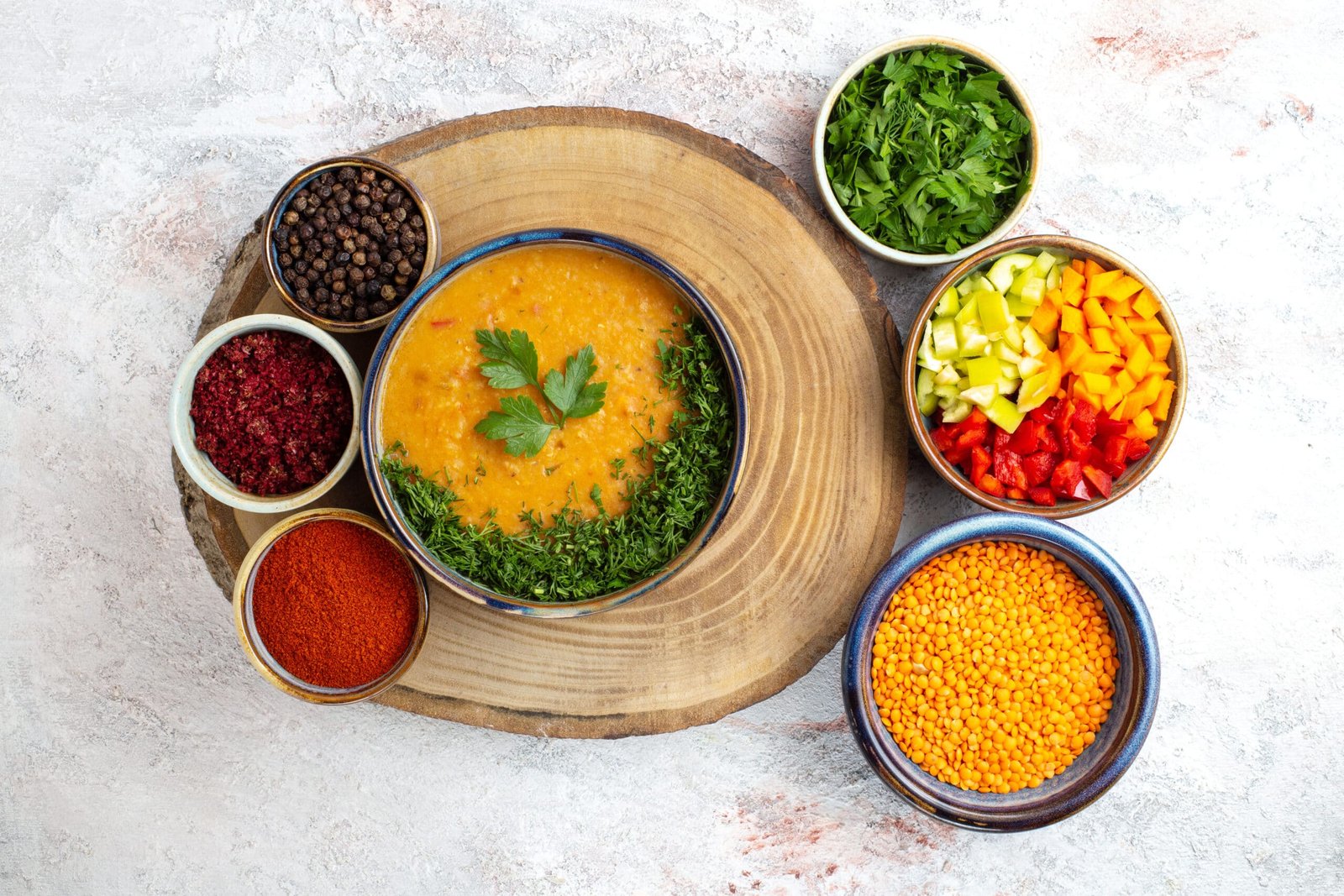
- Strained Gujarati Dal Soup: Yellow moong or masoor dal cooked soft, blended, and strained into a liquid broth. Avoid adding jaggery (gud) or sugar, which are traditional in Gujarati dāls.
- High-Protein Chaas: Thin, homemade skim-milk curd blended with an unflavored protein supplement powder.
- Thin Almond or Soy Milk: Unsweetened and unflavored.
Phase 3: Pureed & Soft Blended Diet (Weeks 3–4 Post-Op)
Food must be blended or mashed to the consistency of smooth baby food or thick applesauce. Chewing thoroughly remains essential.
- Blended Moong Dal Khichdi: Moong dal and a minimal amount of brown rice or quinoa, cooked soft with turmeric and cumin, then blended smooth.
- Mashed Paneer / Tofu Bhurji: Low-fat paneer or tofu crumbled fine, cooked with a pinch of turmeric, cumin, and coriander powder (without oil or chillies).
- Pureed Vegetable Soup: Steamed bottle gourd (lauki), pumpkin (kaddu), or spinach (palak) blended smooth. Avoid fibrous vegetables like cabbage, cauliflower, or raw salads during this phase.
- Smooth Hung Curd / Greek Yogurt: Unsweetened curd strained of excess whey to increase protein concentration.
Phase 4: Long-Term Gujarati Meal Plan (Week 5 Onward)
Once solid foods are reintroduced, portion sizes remain small—typically ½ to 1 cup per meal. Meals should always prioritize protein first, followed by non-starchy vegetables, and lastly complex carbohydrates.
Here is a sample daily bariatric menu tailored for local Gujarati palates:
| Meal Time | Dish / Menu Recommendation | Key Nutritional Focus |
| Early Morning | 1 Cup Warm Ajwain-Jeera Water + 1 Scoop Protein Powder in Water | Hydration & early protein kick. |
| Breakfast | 2 Small Steamed Moong Dal Dhoklas OR 1 Besan/Moong Chilla | High-protein fermented/legume option. |
| Mid-Morning | 1 Small Bowl Homemade Hung Curd or 1 Glass Thin Chaas | Probiotics & protein maintenance. |
| Lunch | ½ Jowar/Bajra Roti + 1 Small Katori Protein-Rich Kathol (Sprouted Moong/Chana) + ½ Katori Lauki Sabzi | Fiber, plant protein, and complex carbs. |
| Evening Snack | Roasted Chana (Handful) OR Boiled Egg Whites / Tofu Cubes | Non-fried crunch with minimal calories. |
| Dinner | 1 Small Katori High-Protein Moong-Dalia Khichdi + 1 Katori Clear Lauki-Tomato Soup | Light, easily digestible evening meal. |
Essential Gujarati Culinary Adjustments for Bariatric Patients
To adapt traditional cooking to post-surgical guidelines, follow these key adjustments:
1. Eliminate Added Sugar & Jaggery (Gud)
Traditional Gujarati cooking often balances spice with sweet additives in dāls, kadhi, and vegetable dishes. After gastric bypass or sleeve gastrectomy, simple sugars can trigger Dumping Syndrome—a condition where food moves too quickly from the stomach into the small intestine, causing rapid heart rate, severe nausea, abdominal cramping, sweating, and diarrhea. All savory meals should be prepared without added sugar or jaggery
2. Redefine Farsan
Traditional Gujarati snacks (farsan) like Gathiya, Vanela Fafda, Sev, and Puri are deep-fried and dense in simple starches. Post-surgery, replace fried farsan with steamed or roasted alternatives, such as steamed moong dhokla, roasted chana, baked muthiya made with bottle gourd and methi, or besan chilla cooked on a non-stick pan with minimal oil.
3. Replace Refined Flour (Maida) and White Rice
Refined starches digest rapidly and can lead to weight regain. Replace white rice in khichdi with broken wheat (dalia), quinoa, or high-protein yellow moong. Choose whole-grain, gluten-free rotis like Jowar or Bajra over plain wheat flour or maida.
4. Practice the 30-Minute Hydration Rule
A fundamental rule after weight loss surgery ahmedabad is keeping liquids and solid foods separate. Drinking liquids during meals fills up the small gastric pouch prematurely or flushes food out too quickly, leading to early hunger or discomfort. Stop drinking fluids 30 minutes before meals, and wait 30 minutes after completing a meal before taking a sip.
Micronutrient Supplementation After Metabolic Surgery
Because metabolic surgery reduces food volume and alters nutrient absorption in the gastrointestinal tract, daily nutritional supplementation is essential for life. A patient’s care team will customize a regimen that typically includes:
- Multivitamin & Minerals: Daily chewable or capsule formulation tailored for bariatric care.
- Calcium Citrate + Vitamin D3: Essential for bone health, taken in split doses throughout the day.
- Iron (Elemental) & Vitamin C: Prevents post-surgical anemia.
- Vitamin B12: Sublingual drops, tablets, or monthly injections to prevent neuropathic issues and fatigue.
- Daily Protein Supplement: To ensure intake consistently hits the 60–80 gram threshold.
Frequently Asked Questions (FAQs)
1. Can I eat traditional Gujarati Kadhi after bariatric surgery?
Yes, but with specific modifications. Kadhi should be prepared using low-fat, skimmed milk curd and besan (chickpea flour). Crucially, do not add sugar, jaggery, or excessive ghee tempering (vaghār). During Phase 2, kadhi must be thin and strained. In Phase 4, it can be served as a warm, protein-rich soup.
2. How do I avoid Dumping Syndrome while eating Gujarati meals?
Dumping syndrome is avoided by strictly eliminating simple sugars (jaggery, refined sugar, sweets) and high-fat fried items (fafda, gathiya, puri). Eat slowly, chew every bite 20 to 30 times, and keep liquids separate from solid food by at least 30 minutes.
3. What Gujarati foods are best for meeting daily protein targets?
Excellent vegetarian Gujarati protein sources include sprouted legumes (kathol like moong and chana), low-fat paneer, tofu, besan (chickpea flour), homemade hung curd, sprouted moong dhokla, and unflavored protein powder stirred into Chaas. Non-vegetarian patients can include boiled egg whites or soft-boiled chicken soup.
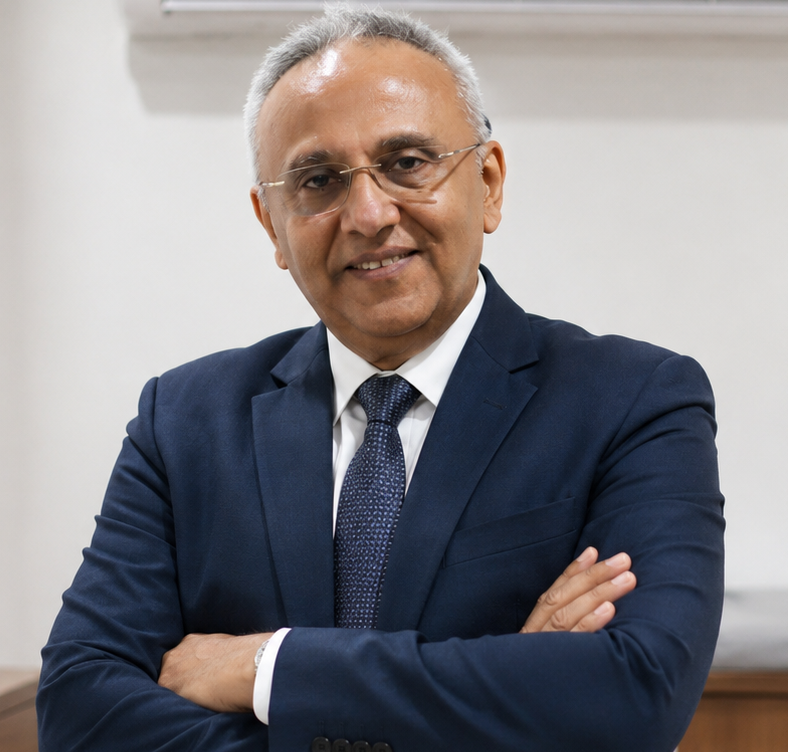
Dr. Apurva Vyas
Robotic Bariatric SurgeonWith over 25 years of surgical experience, Dr. Apurva Vyas has successfully performed more than 8,000 bariatric surgeries and 18,000+ minimally invasive GI surgeries. Known for his precision, innovation, and patient-centric approach, he is among the most trusted weight loss surgeons in Ahmedabad. Dr. Vyas focuses on ensuring safe procedures and long-term success for every patient. From detailed pre-surgery counseling to dedicated post-operative follow-up, he provides complete medical and emotional support throughout the weight loss journey. His team of specialists works closely with patients to develop a comprehensive treatment plan that addresses all of their health concerns.