

Watching the numbers on the scale creep back up years after a successful weight loss operation can feel deeply discouraging. Many patients blame themselves, assuming they lacked willpower or “broke” their surgery. In reality, obesity is a chronic, relapsing metabolic disease and experiencing some degree of weight regain after an initial procedure is far more common than most people realize.
If you are noticing your clothes getting tighter or old metabolic conditions returning, you are not out of options. Modern bariatric surgery in Ahmedabad has evolved significantly, offering both targeted non-surgical resets and advanced revisional bariatric surgery to help you get back on track safely.
Why Does Weight Regain Happen After Weight Loss Surgery?
Before jumping to the conclusion that you need a second operation, it helps to understand what is actually happening inside your body. Typically, patients lose the bulk of their excess weight within the first 12 to 18 months post-surgery. After that honeymoon phase, a small bounce back of 5% to 10% of lost weight is considered a normal physiological adjustment.
Significant weight regain generally defined as regaining 15% to 20% or more of the weight you lost usually stems from a combination of anatomical, hormonal, and behavioral factors:
- Anatomical Stretching and Adaptation: Over several years, the stomach pouch created during a Gastric Bypass or the narrow tube formed during a Sleeve Gastrectomy can gradually relax and accommodate larger portions. In some cases, the opening between the stomach pouch and the small intestine (the stoma) widens, allowing food to empty too quickly so you no longer feel full.
- Hormonal Pushback: Primary weight loss procedures dramatically lower ghrelin (the “hunger hormone”) and boost satiety hormones like GLP-1. Over time, the body works hard to defend its highest historical weight, causing appetite-stimulating signals to rebound and resting metabolism to slow slightly.
- Dietary Drift and “Grazing”: Even with a small stomach, consuming calorie-dense liquids, sugary tea or coffee, or snacking continuously throughout the day (“grazing”) bypasses the physical restriction of the surgery.
- Loss of Follow-Up Care: Patients who stop attending routine nutritional and medical check-ups after the first year have a noticeably higher rate of weight regain. Without regular monitoring, subtle micronutrient deficiencies, sleep disturbances, or medication side effects can quietly stall metabolism.
Step One: Non-Surgical Solutions Before Considering Revision
Seeking help at a specialized center for weight loss surgery Ahmedabad does not automatically mean going back into the operating room. In fact, ethical bariatric teams always exhaust conservative, non-surgical interventions first.
1. Comprehensive Diagnostic Evaluation
Your surgeon will start by looking at why the regain is occurring. This usually involves a barium swallow X-ray, an upper GI endoscopy, and a detailed metabolic blood panel. These tests reveal whether your stomach pouch has physically dilated, if an internal fistula has formed, or if your anatomy is completely intact.
2. Bariatric Nutritional Reset (“Back to Basics”)
Working with a dedicated bariatric dietitian can often halt weight gain in its tracks. A structured reset eliminates liquid calories and refined carbohydrates, prioritizes lean protein at every meal to trigger satiety, and re-establishes the rule of separating liquids from solid foods by 30 minutes.
3. Anti-Obesity Medications (GLP-1 Therapy)
One of the biggest advancements in bariatric care is combining surgery with modern medical therapy. When anatomical imaging shows your surgical pouch is still intact, prescription GLP-1 or dual-agonist medications can quiet returning hunger hormones, curb cravings, and help patients lose regained weight without a second procedure.
What Is Revisional Bariatric Surgery?
When diagnostic tests confirm a mechanical or anatomical issue or when severe obesity and conditions like Type 2 diabetes or severe acid reflux persist despite diet and medication revisional bariatric surgery becomes the most effective path forward.
Revisional surgery is a corrective procedure designed to modify, repair, or convert a previous weight loss operation into a different type of bariatric procedure. Because the surgeon is working around scar tissue (adhesions) and altered anatomy from your first operation, revisional procedures are technically more complex than primary surgeries and require a high-volume laparoscopic or robotic surgical team.
Common Revisional Procedures Offered in Ahmedabad
The right revision depends entirely on what your original surgery was and what issues you are experiencing today:
| Original Procedure | Common Issue / Reason for Revision | Recommended Revisional Option |
| Sleeve Gastrectomy | Severe acid reflux (GERD), sleeve stretching, or insufficient weight loss | Conversion to Roux-en-Y Gastric Bypass (RYGB) or Mini Gastric Bypass (OAGB) |
| Sleeve Gastrectomy | Isolated pouch dilation without acid reflux | Re-Sleeve Gastrectomy (trimming the stretched stomach) or Endoscopic Sleeve Revision |
| Gastric Bypass (RYGB) | Stretched stomach pouch or widened outlet (stoma) | Endoscopic Outlet Repair (TORe) or surgical pouch resizing / distalization |
| Gastric Banding | Band slippage, erosion, swallowing difficulty, or weight regain | Band removal + conversion to Sleeve Gastrectomy or Gastric Bypass |
Minimally Invasive & Endoscopic Revisions
Not every revision requires major abdominal incisions. For patients with a stretched gastric bypass outlet, Transoral Outlet Reduction (TORe) is performed entirely through the mouth using an endoscope. The specialist places internal sutures to tighten the widened opening, restoring the feeling of fullness with minimal downtime. When surgical conversion is necessary, advanced laparoscopic and robotic-assisted techniques allow surgeons in Ahmedabad to navigate scar tissue with high precision, reducing post-operative pain and hospital stays.
Who Is a Good Candidate for Revisional Weight Loss Surgery?
You may be evaluated for a revisional procedure if you meet the following clinical criteria:
- You have regained a significant portion of your lost weight (typically more than 15%–20% from your lowest post-surgery weight) or failed to lose at least 50% of your excess weight after the initial operation.
- Obesity-related comorbidities such as Type 2 diabetes, hypertension, sleep apnea, or joint pain have returned or worsened.
- You are experiencing debilitating mechanical complications from your first surgery, such as chronic gastroesophageal reflux disease (GERD), strictures, or marginal ulcers.
- You have completed a thorough nutritional and psychological evaluation and are committed to long-term follow-up and lifelong vitamin supplementation.
What to Expect: Risks, Recovery, and Realistic Results
Transparency is essential when considering a second operation. Because revisional surgery involves operating on previously altered tissue, it carries a slightly higher risk profile than a first-time procedure including risks of staple-line leaks, bleeding, or nutritional deficiencies. Choosing an experienced center for bariatric surgery in Ahmedabad equipped with robotic technology, intensive care backup, and multidisciplinary support dramatically minimizes these risks.
- Hospital Stay & Recovery: Most laparoscopic revisional surgeries require a 2-to-3-day hospital stay, with patients returning to light desk work within 1 to 2 weeks. Endoscopic revisions are often performed as day-care procedures.
- Post-Op Diet: Just like your first surgery, you will progress gradually from clear liquids to pureed foods, soft proteins, and finally solid meals over 4 to 6 weeks.
- Weight Loss Expectations: Weight loss after a revision is typically steady and sustainable, though often slightly more gradual than after a primary procedure. Most patients lose 50% to 65% of their regained excess weight and see dramatic resolution of acid reflux and blood sugar spikes.
Taking the Next Step in Ahmedabad
Gaining weight back after bariatric surgery is a medical signal not a personal failure. Whether your body simply needs a structured nutritional reset, targeted metabolic medication, or a precision revisional procedure, early intervention makes all the difference.
If you are looking for trusted guidance on weight loss surgery Ahmedabad, schedule a confidential consultation with a multidisciplinary bariatric team. A simple diagnostic evaluation can clarify why the weight is returning and map out a safe, personalized plan to protect your health for the long run.
Frequently Asked Questions (FAQs)
1. Is it normal to gain some weight back after bariatric surgery?
Yes, a modest weight regain of 5% to 10% from your lowest post-surgery weight is normal as your body adapts metabolically. However, continuous weight gain or the return of conditions like diabetes or severe acidity warrants a medical evaluation by a bariatric specialist.
2. Can my stomach actually stretch back to its original size after a Sleeve Gastrectomy or Gastric Bypass?
Your stomach will not return to its full pre-surgery volume, as up to 80% of the stomach is permanently removed during a sleeve gastrectomy. However, the remaining stomach tissue is muscular and can gradually dilate over time if subjected to frequent large meals or carbonated beverages, reducing the feeling of fullness.
3. Do I always need a second surgery if I start regaining weight?
No. Many patients successfully reverse weight regain without surgery. Depending on your diagnostic results, structured bariatric nutrition counseling, behavioral therapy, or modern anti-obesity medications (such as GLP-1 therapies) can restore weight loss if your surgical anatomy is still intact.
4. Which revisional bariatric surgery is most common after a Gastric Sleeve?
Converting a Sleeve Gastrectomy to a Roux-en-Y Gastric Bypass (RYGB) or a Mini Gastric Bypass (OAGB) is the most common surgical revision. Bypass procedures add a metabolic and mild malabsorptive component to restriction and are particularly effective if you have also developed severe acid reflux (GERD) after your sleeve.
5. Is revisional bariatric surgery safe, and how long is the recovery?
While revisional procedures are more complex than primary operations due to existing scar tissue, they are safely performed using minimally invasive laparoscopic or robotic techniques at specialized centers for bariatric surgery in Ahmedabad. Most patients stay in the hospital for 2 to 3 days and resume normal daily activities within 2 weeks.
6. How can I find out which revision option is right for me?
A bariatric surgeon will first perform a painless barium swallow study and an upper GI endoscopy to inspect the exact size and shape of your stomach pouch. Combined with blood tests and a review of your eating habits, these findings allow your medical team to recommend either a non-surgical reset, an endoscopic tightening, or a tailored surgical revision.
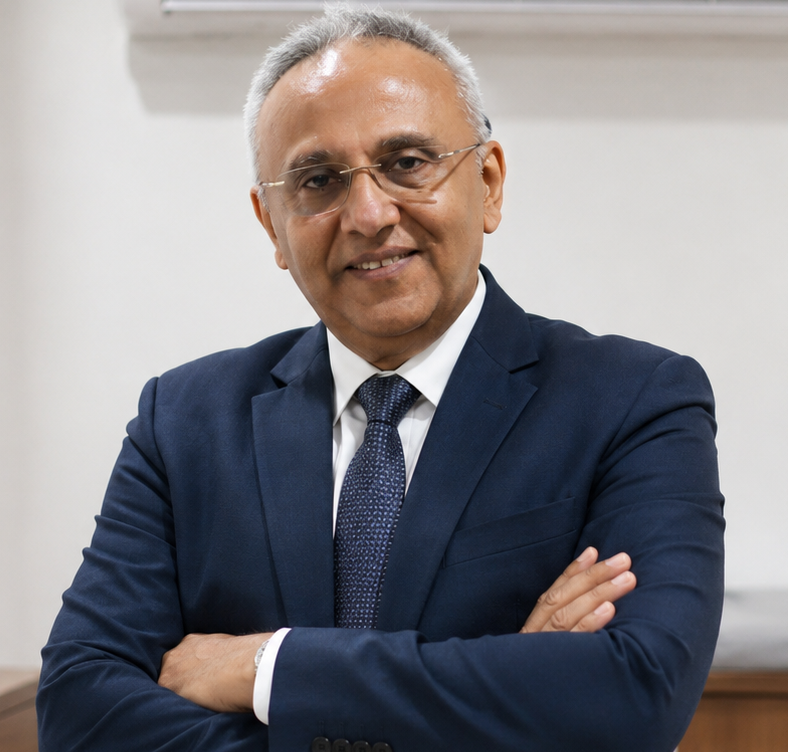
Dr. Apurva Vyas
Robotic Bariatric SurgeonWith over 25 years of surgical experience, Dr. Apurva Vyas has successfully performed more than 8,000 bariatric surgeries and 18,000+ minimally invasive GI surgeries. Known for his precision, innovation, and patient-centric approach, he is among the most trusted weight loss surgeons in Ahmedabad. Dr. Vyas focuses on ensuring safe procedures and long-term success for every patient. From detailed pre-surgery counseling to dedicated post-operative follow-up, he provides complete medical and emotional support throughout the weight loss journey. His team of specialists works closely with patients to develop a comprehensive treatment plan that addresses all of their health concerns.