

Ahmedabad has witnessed a growing conversation around obesity and metabolic health, particularly among young adults who are seeking medical solutions after years of unsuccessful attempts with diet plans, gym memberships, and weight-loss programs. Healthcare professionals say that while lifestyle changes remain the foundation of weight management, some individuals with severe obesity are increasingly consulting bariatric specialists to understand whether surgical treatment could be an appropriate option for improving their long-term health.
Many younger patients come to us after trying multiple weight-loss methods over several years. By the time they seek specialist advice, many are also dealing with obesity-related conditions such as type 2 diabetes, sleep apnea, hypertension, fatty liver disease, joint pain, or reduced mobility. The discussion is no longer just about losing weight—it is about improving overall health and quality of life.
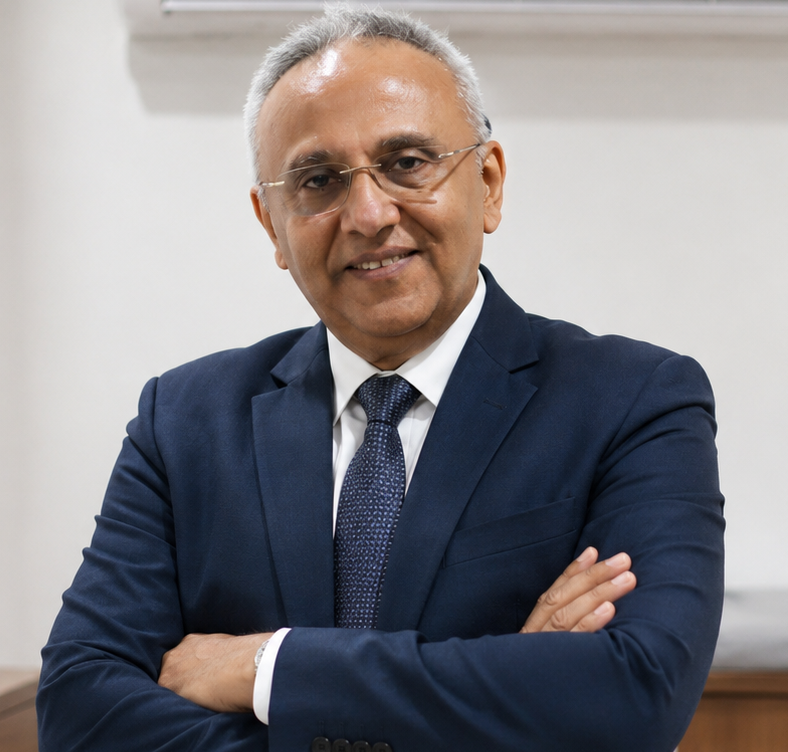
Ansh Obecure Clinic, a bariatric and metabolic surgery center in Ahmedabad led by Dr. Apurva Vyas, provides comprehensive obesity management, including nutritional counseling, psychological support, minimally invasive bariatric procedures, and long-term follow-up care. According to the clinic, Dr. Vyas has more than two decades of surgical experience and has performed thousands of bariatric and minimally invasive GI procedures.
Understanding Why Younger Adults Are Seeking Expert Advice
Medical professionals note that obesity among younger adults can result from multiple factors, including sedentary lifestyles, irregular eating habits, high-calorie processed foods, chronic stress, inadequate sleep, hormonal conditions, and genetic predisposition. While many individuals successfully lose weight through lifestyle interventions, others with severe obesity may find it difficult to achieve or maintain meaningful weight loss through conventional approaches alone.
Experts emphasize that bariatric surgery is not considered a cosmetic procedure. Instead, it is a clinically recognized treatment option for carefully selected patients living with obesity and associated health conditions.
A Shift Toward Earlier Intervention
Traditionally, many people delayed seeking specialist consultation until obesity-related complications became severe. Today, healthcare professionals are observing that more young adults are proactively consulting obesity specialists to understand available treatment options before multiple health issues develop.
This change, experts say, reflects greater awareness about obesity as a medical condition and increased access to evidence-based information regarding treatment pathways.
More Than Weight Loss
While weight reduction remains an important outcome, bariatric surgery is also associated with improvements in several obesity-related conditions for many patients. Research has shown that bariatric procedures can contribute to better control of type 2 diabetes, high blood pressure, obstructive sleep apnea, and other metabolic disorders in appropriately selected individuals, although outcomes vary from person to person. Treatment decisions should always be individualized and based on comprehensive medical evaluation.
Healthcare providers stress that surgery is only one component of a broader treatment plan.
At Ansh Obecure Clinic, patients undergo detailed medical assessments before surgery, followed by nutritional guidance, psychological evaluation where appropriate, and structured post-operative monitoring. This multidisciplinary approach is designed to support long-term lifestyle modification alongside the surgical intervention.
Dispelling Common Misconceptions
Despite increasing awareness, several misconceptions continue to surround bariatric surgery.
One common misconception is that surgery is an “easy shortcut.” Bariatric specialists emphasize that successful outcomes depend on sustained commitment to dietary changes, regular physical activity, routine follow-up appointments, and adherence to medical advice.
Another misconception is that only older adults undergo bariatric procedures. Specialists note that age alone is not the determining factor. Instead, patient selection is based on clinical criteria such as body mass index (BMI), obesity-related medical conditions, previous weight-loss attempts, and overall health status.
Advances in Minimally Invasive Surgery
Technological advancements have also contributed to changing perceptions about bariatric surgery. Modern minimally invasive techniques, including laparoscopic and robotic-assisted procedures where appropriate, generally involve smaller incisions, shorter hospital stays, and faster recovery compared with traditional open surgery. Individual recovery times vary depending on the procedure and the patient’s overall health.
Procedures commonly performed include sleeve gastrectomy and gastric bypass, among others. The choice of procedure depends on each patient’s medical profile, weight-loss goals, and associated health conditions.
Long-Term Success Requires Ongoing Support
Healthcare professionals consistently emphasize that bariatric surgery should be viewed as the beginning—not the end—of a patient’s weight-management journey.
Long-term success relies on healthy eating habits, regular physical activity, behavioral changes, nutritional supplementation when indicated, and scheduled medical follow-up.
Increasing Awareness About Obesity Care
Experts believe that growing public awareness is encouraging individuals to seek medical advice earlier rather than relying solely on self-directed weight-loss methods that may not address severe obesity effectively.
They also encourage people living with obesity to consult qualified healthcare professionals instead of depending on misinformation circulating through social media or unverified online sources.
Looking Ahead
As conversations around obesity continue to evolve, healthcare professionals anticipate that greater awareness, evidence-based treatment, and multidisciplinary care will play increasingly important roles in improving long-term health outcomes.
For many young adults, the decision to consult a bariatric specialist is no longer driven solely by appearance. Instead, it reflects a broader commitment to addressing obesity as a chronic health condition that can affect nearly every aspect of physical and emotional well-being.
According to specialists at Ansh Obecure Clinic, the focus remains on individualized treatment plans that combine medical expertise, patient education, and sustained lifestyle support to help eligible patients make informed decisions about obesity treatment and long-term health.
Dr. Apurva Vyas
Robotic Bariatric SurgeonWith over 25 years of surgical experience, Dr. Apurva Vyas has successfully performed more than 8,000 bariatric surgeries and 18,000+ minimally invasive GI surgeries. Known for his precision, innovation, and patient-centric approach, he is among the most trusted weight loss surgeons in Ahmedabad. Dr. Vyas focuses on ensuring safe procedures and long-term success for every patient. From detailed pre-surgery counseling to dedicated post-operative follow-up, he provides complete medical and emotional support throughout the weight loss journey. His team of specialists works closely with patients to develop a comprehensive treatment plan that addresses all of their health concerns.